# TF-IDF in a nutshell
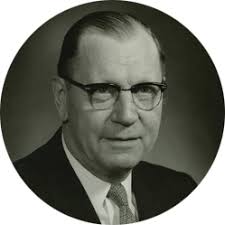早在1958年,Hans Peter Luhn在他的论文"The Automatic Creation of Literature Abstracts"中假设"文章中词语出现的频率可以提供一个有用的词语重要性度量",这一假设至今可能是信息检索科学中最重要的内容之一,并且被所有知名的大中小型搜索引擎使用,从Google和Yahoo到定制搜索解决方案,如ElasticSearch和Manticore Search。
Luhn的假设的重要性无法被高估,许多后续的信息检索领域的科学研究都基于Luhn的假设,尽管并非所有研究都提到了这一点,可能随着时间的推移,它已成为公理。
在本文中,我将通过非常清晰的例子展示TF(词频)及其对应项IDF(逆文档频率)如何帮助找到你想要的内容。
让我们取5个文档:
```bash
1. My dog doesn't like all my pets, but me and my wife do love them all. A dog cannot be a cat lover
2. Cats and dogs do not like each other, but my cat does like dogs
3. Walking a dog is a good start of the day
4. Not all cats like walking, but some cats do
5. All dogs like walking, but mine doesn't like. It's like so weird
```
并尝试对它们进行排序(即找到最相关和最不相关的文档及其顺序)以应对不同的查询。
### 权重 = 如果词语出现则为1,否则为0
**查询:'like'**。
请注意,我们不知道查询中的'like'具体是什么意思:比如"A is like B"或"I like smth"。那么我们能做些什么来对文档进行排序呢?
首先想到的是,如果一个文档中完全不包含'like'这个词,那么它可能不太相关。因此顺序可以是:
```bash
1. My dog doesn't like all my pets, but me and my wife do love them all. A dog cannot be a cat lover
2. Cats and dogs do not like each other, but my cat does like dogs
4. Not all cats like walking, but some cats do
5. All dogs like walking, but mine doesn't like. It's like so weird
3. Walking a dog is a good start of the day
```
我们将文档#3放在最后,因为它不包含'like'。至于其余文档,我们没有改变它们的顺序,因为它们都包含'like'。这种排序的质量足够好吗?我不这么认为,因为在前四个文档中,有2个(#5和#2)似乎比其他文档更相关,因为它们提供了更多与查询词'like'相关的事实(记住我们不知道查询中'like'的确切含义),但它们并不是前两名。那么我们能做些什么呢?
### 权重 = 词频
**查询:'like'**。
正如之前所说,根据Luhn的假设,包含更多查询词出现次数的文档可能更相关。让我们按它们的词频对文档进行排序(注意在这里以及信息检索领域一般情况下,“频率”仅指计数,而不是像物理学中那样用计数除以某个数):
```bash
5. All dogs like walking, but mine doesn't like. It's like so weird | tf = 3
2. Cats and dogs do not like each other, but my cat does like dogs | tf = 2
1. My dog doesn't like all my pets, but me and my wife do love them all. A dog cannot be a cat lover | tf = 1
4. Not all cats like walking, but some cats do | tf = 1
3. Walking a dog is a good start of the day | tf = 0
```
这解决了问题,现在文档#5和#2位于最前面。
但我们现在尝试另一个**查询 - 'my day'**:
```bash
1. My dog doesn't like all my pets, but me and my wife do love them all. A dog cannot be a cat lover | tf = 3
2. Cats and dogs do not like each other, but my cat does like dogs | tf = 1
3. Walking a dog is a good start of the day | tf = 1
4. Not all cats like walking, but some cats do | tf = 0
5. All dogs like walking, but mine doesn't like. It's like so weird | tf = 0
```
文档#1和#2获得了最高位置,但这是正确的吗?它们只提到了'my',而没有提到'day':我的宠物、我的妻子、我的猫,这可能在查询中也很重要,但很可能不是。文档#3的位置较低,而它似乎是最相关的。我们如何将其排得更高?
让我们思考'my'与'day'和其他词有什么不同。'day'似乎更加具体,而'my'可以适用于几乎所有事物,并且**在文档中'my'出现的频率远高于'day'和其他更具体的术语**。这就是所谓的“**文档频率**”——公式中的另一个重要部分,也是词权重的第二个基石。
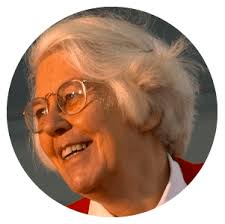1972年,英国计算机科学家Karen Spärck Jones在她的一篇学术论文中说:“文档描述的完备性是它包含的术语数量,而术语的特异性是它所适用的文档数量”。
我们已经讨论了前者,现在让我们看看如果我们计算后者,文档顺序会如何变化。
### 权重 = 词频 \* (文档总数 / 文档频率)
**查询:'my day'**。
'my'出现在2个文档中,'day'只出现在1个文档中,因此'my'的IDF(逆文档频率)是5(总文档数)/ 2 = 2.5,'day'是5/1 = 5。
```bash
1. My dog doesn't like all my pets, but me and my wife do love them all. A dog cannot be a cat lover
Weight = 3(tf of 'my') * 2,5(idf of 'my') + 0(tf of 'day') * 5 (its idf) = 7,5
3. Walking a dog is a good start of the day
Weight = 0 * 2,5 + 1 * 5 = 5
2. Cats and dogs do not like each other, but my cat does like dogs
Weight = 2,5
4. Not all cats like walking, but some cats do
Weight = 0
5. All dogs like walking, but mine doesn't like. It's like so weird
Weight = 0
```
借助IDF,我们可以将相关文档“Walking a dog is a good start of the day”提升一个位置,但它仍然不在最前面。原因是什么?这是因为'my'出现得太多了,这抵消了'day'的IDF的重要性。我们如何解决这个问题?我们需要某种方法来降低TF的贡献。多年来,人们提出了并研究了多种TF归一化的变体,从简单的log(TF)到所谓的“词频饱和曲线”。为了简单起见,我们只采用对数变体。
### 权重 = log(1+TF) \* (N/df)
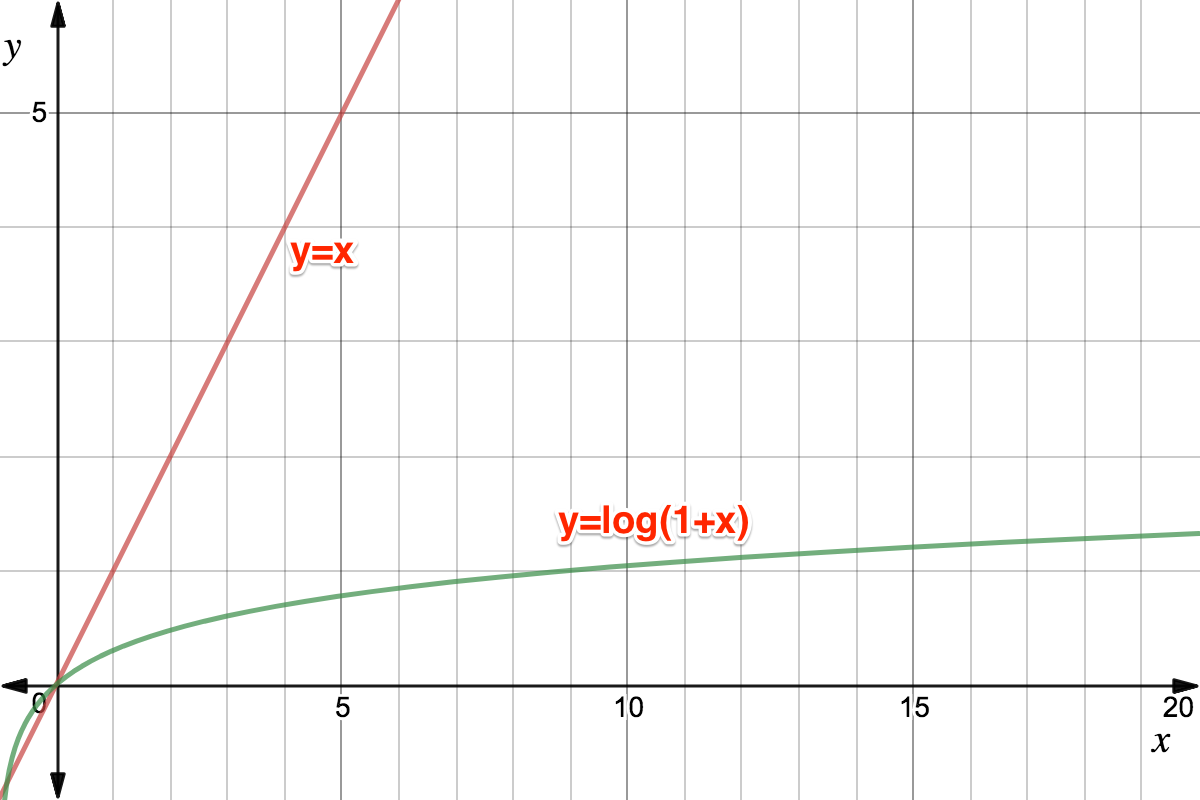与线性函数相比,对数平滑的整体思想是,随着参数的增加,增长速度会变慢,即对于较小的x增长较快,对于较大的x增长较慢。函数中的'1+x'是为了在词频为0时避免参数为0,因为log(0)是未定义的,而log(0+1)是0,这正是我们对tf=0所需的结果。
让我们看看它是否解决了问题:
**查询:'my day'**。
```bash
3. Walking a dog is a good start of the day
Weight = log(1+0) * 2,5 + log(1+1) * 5 = 0 + 3,47 = 3,47
1. My dog doesn't like all my pets, but me and my wife do love them all. A dog cannot be a cat lover
Weight = log(1+3) * 2,5 + log(1+0) * 5 = 3,47 + 0 = 3,47
2. Cats and dogs do not like each other, but my cat does like dogs
Weight = 1,73
4. Not all cats like walking, but some cats do
Weight = 0
5. All dogs like walking, but mine doesn't like. It's like so weird
Weight = 0
```
正如我们所见,最相关的文档终于排在了第一位,但它与另一个权重为3.47的文档并列。这是对还是错?这是一个很难回答的问题,因为我们永远无法确定请求者认为什么相关。有可能通过询问“my day”,他或她也会认为第二个文档相关,因为它为'my'提供了多个事实,而第一个文档只提到了'day'的一个事实。因此,它们获得相同的权重可能是相当公平的。
由于这种不确定性,这可能就是为什么搜索引擎通常返回的不是单一结果,而是多个结果:10个、20个或类似数量,这样用户就可以自己做出最终决定。
### 结论
在本文中,我简明扼要地展示了TF-IDF加权公式的思维演变过程,这证明了它有效,且每个组成部分都很重要。
TF-IDF 的一种延续称为 BM25,它基于之前提到的“词频饱和曲线”,并且更多地采用概率方法来定义加权公式(再次提醒我们永远无法确定什么才是真正相关的,因此采用了概率方法)。总体而言,它仍然是 TF-IDF(通过文档长度进行归一化),但其根源完全不同。它将在另一篇文章中进行详细讲解。请继续关注我们并订阅我们的电子通讯,以免错过。